

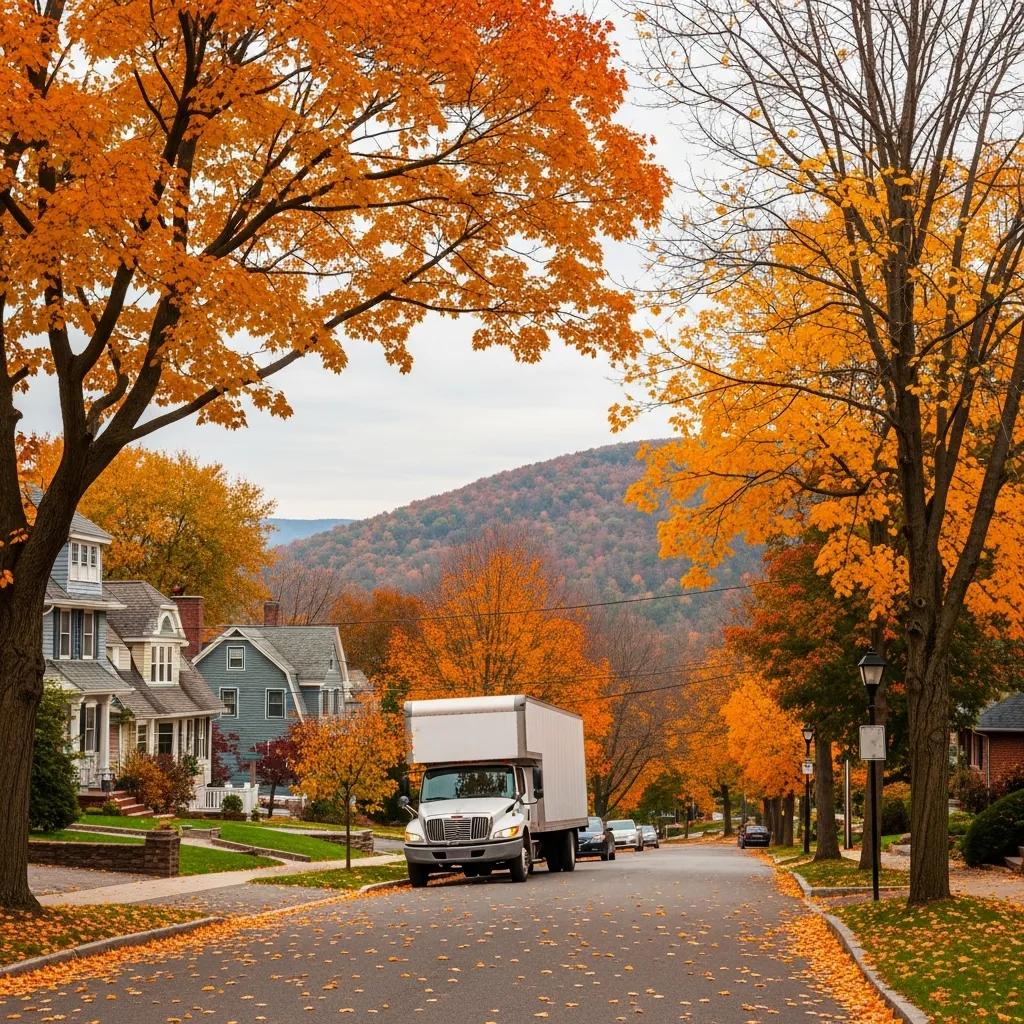
Best Time to Move in Hudson Valley, NY - Seasonal Moving Guide for Cost, Weather, and Planning
Moving in the Hudson Valley requires balancing cost, weather, and calendar availability so you can pick the best month and plan with confidence. This guide explains how seasonal demand and local weather patterns influence moving costs, scheduling windows, and practical packing steps, so you know when to move in Hudson Valley and how to reduce risk and expense. Many households face tradeoffs: lower prices during off-peak months versus weather-related delays in winter or rain in spring. This article lays out the cheapest windows, the months that work best for most moves, a planning timeline keyed to peak and off-peak periods, and season-specific safety and packing tips. You’ll find tables that summarize cost variances and a compact month-by-month calendar to answer “when to move Hudson Valley” queries quickly. After reading, you’ll be able to choose a preferred date range, understand likely cost differences, and use practical tactics—like mid-week booking and protective packing—to make a smoother transition.
When Is the Cheapest Time to Move in Hudson Valley?

The cheapest time to move in Hudson Valley is generally the off-peak window: early fall (September–October), winter (November–March, excluding holidays), and early spring (late February–April). Lower demand during these periods reduces hourly rates and gives you greater scheduling flexibility, which directly lowers total move costs. Moving companies experience fewer bookings, which means weekday and mid-month dates become available and often come with small discounts or waived fees. Understanding these off-peak windows helps you weigh savings against potential weather risks and informs whether to aim for cost savings or schedule certainty.
Moving off-peak typically saves homeowners between 10–25% compared with peak-summer pricing, depending on move size and specific date choices. The savings come from lower labor premiums, fewer truck roll calls, and reduced surcharge likelihood. When planning for an off-peak move, aim for Tuesday–Thursday mid-month slots to maximize savings and availability. If you want an estimate quickly, 845 Move Now offers a quick estimate tool and flexible scheduling options that can help you evaluate off-peak discounts while you compare quotes and plan dates.
This short list explains why off-peak moves are cheaper in Hudson Valley:
- Lower market demand reduces hourly and surcharges for standard local moves.
- Greater weekday and mid-month availability prevents premium weekend pricing.
- Fewer scheduling conflicts reduce the need for expedited or multiple trip logistics.
These cost drivers should shape how you choose dates and request quotes, and the next section explains how seasonal cost factors vary in practice.
How Do Seasonal Moving Costs Vary in Hudson Valley?
Seasonal moving costs in Hudson Valley vary according to demand, labor availability, fuel and travel conditions, and weather-related risk factors. Peak-season (May–August) demand increases hourly rates and often leads to limited truck availability, while winter adds time buffers and safety measures that can raise labor hours. For example, a local two-bedroom move quoted in July may be 15–25% higher than the same job in October, primarily due to volume-driven pricing and weekend demand. Weather adds both direct expenses (de-icing, longer carry times) and indirect costs (rescheduling or longer transit), so quotes should specify weather contingency terms.
To compare quotes, ask providers to itemize labor hours, truck fees, and possible seasonal surcharges so you can see where price differences come from. Understanding these line items helps you negotiate or pick an off-peak date that reduces the most expensive components. The next subsection outlines practical off-peak benefits beyond raw price savings.
What Are Off-Peak Moving Benefits and Savings?
Off-peak moves deliver practical benefits beyond lower sticker prices, including better date choice, more attentive crews, and a greater chance of bundled or value-added services. Flexibility to pick mid-week or mid-month dates often cuts time-on-site and waiting time, which lowers labor charges and speeds unloading. Smaller demand windows also increase the likelihood of promotional offers or waived small-fee line items for protective materials or short carries. That said, off-peak choices come with weather considerations—winter moves may require additional protective covering and path clearing, while early-spring moves can encounter rain that requires waterproof protection.
To maximize off-peak savings, schedule early, request an itemized estimate, and remain flexible about move hours and dates. Using a quick estimate tool and asking about bundled services can reveal package savings that are not obvious in headline quotes. With those tactics in hand, you can move on to selecting specific months that best match your priorities.
What Are the Best Months to Move in Hudson Valley, NY?

The best months to move in Hudson Valley balance mild weather, lower prices, and strong scheduling availability—typically late September through October and early May through June for the most favorable tradeoffs. These windows avoid peak summer demand while steering clear of the coldest winter conditions and busiest school-change dates. Choosing these months reduces the chance of rain or ice that can delay trucks, and it often keeps costs below summer peaks while offering predictable weather for loading and unloading. The table below gives a month-by-month quick reference that helps you decide which month aligns with your priorities.
| Month Range | Typical Weather | Pros | Cons | Booking Lead Time Recommendation |
|---|---|---|---|---|
| May–June | Mild to warm, occasional rain | Good weather, lower humidity | Approaching peak demand | Book 4–6 weeks |
| July–August | Hot, humid | School-year moves convenient | Highest prices, limited availability | Book 6–8 weeks |
| September–October | Cool, dry, crisp | Lower demand, pleasant moving conditions | Foliage traffic on weekends | Book 3–6 weeks |
| November–March | Cold, potential snow/ice | Lowest weekday pricing off-holidays | Weather risk, possible delays | Book 2–8 weeks depending on forecast |
| February–April (early spring) | Variable, rainy | Lower demand than summer | Mud and rain risks | Book 3–6 weeks |
This calendar-style table shows typical tradeoffs and suggests booking lead times so you can align price and weather risk. The next subsection defines the peak moving season and what to expect if you must move then.
Which Months Constitute the Peak Moving Season?
Peak moving season in Hudson Valley runs broadly from late May through August, with the highest concentration of local moves in June and July due to school schedules and better weather. During this peak, demand increases truck rates, reduces evening and weekend availability, and often forces longer lead times for desired dates. Industry data shows that a significant portion of household moves cluster in these months, which raises both hourly charges and the chance of surcharge policies for tight access or multiple flights of stairs. If moving during peak months is unavoidable, booking early and choosing flexible weekdays can mitigate the highest premiums.
For movers who must keep a summer date, consider partial packing ahead of time and reserving services as soon as you know the week; this approach reduces last-minute rush fees and improves crew efficiency. Understanding peak pressures transitions naturally into how weather affects moving choices in other months.How Does Weather Impact Moving in Different Months?
Weather directly affects safety, time-on-site, and potential add-ons for moving crews across Hudson Valley seasons: spring rain increases mud and protective needs, summer heat demands hydration breaks and shaded staging areas, fall foliage can slow traffic on scenic routes, and winter ice requires de-icing and path clearing. Each condition changes how movers plan labor allocation and what protective gear or materials are necessary to keep belongings safe. For instance, movers often add extra padding and waterproof covers during rainy months and schedule early-morning starts in summer to avoid peak heat. Recognizing how weather influences logistics helps homeowners decide whether to accept a minor risk for lower cost or to schedule in a safer window.
Practical mitigation—like clearing walkways before a winter move or staging heavy items under tarps in spring—reduces delay risk and often lowers contingency charges. With weather impacts in mind, the next H2 outlines how to plan your move according to seasonal trends.
How to Plan Your Move According to Hudson Valley Moving Season Trends?
Planning a move around Hudson Valley seasonal trends begins with choosing the right booking lead time, prioritizing flexible dates, and following a checklist that addresses permits, utilities, and packing timelines. Effective planning reduces surprises, helps lock favorable rates, and minimizes weather-driven complications. A simple timeline that staggers tasks across weeks before the move ensures essentials—like address updates and utility transfers—don’t get overlooked during busy booking windows. The following numbered list presents a compact, actionable timeline for planning a seasonal move.
- Begin 8+ weeks out for peak-season moves and 3–6 weeks for off-peak moves, confirming preferred dates early.
- Reserve moving services once your date is set, request written, itemized estimates, and confirm cancellation policies.
- Complete nonessential packing 4–6 weeks ahead, label boxes by room and priority, and verify access and parking permits if required.
- One week before, confirm arrival window with the moving company, prepare an essentials box, and clear exterior walkways for weather safety.
This timeline reduces last-minute rushes and positions you to secure the most cost-effective slot. The next subsection explains why early booking is essential for reliable service in peak months and how scheduling services can help.Why Is Early Booking Essential for Hudson Valley Moves?
Early booking is essential during Hudson Valley peak months because truck and crew availability become constrained and pricing can escalate for last-minute requests. Reserving 4–8 weeks in advance for peak-season moves locks preferred dates, prevents rate-shopping fatigue, and preserves options for weekday or mid-month timing that lowers costs. Last-minute bookings often mean accepting evening or weekend windows at premium rates and may require split moves if single-day capacity is unavailable. Booking early also allows time to secure necessary permits or temporary parking arrangements that can otherwise delay moving-day operations.
Many service providers—including local firms that emphasize transparent pricing and flexible scheduling—encourage early reservations to guarantee the staffed crew size and equipment needed. For those who want assistance, 845 Move Now offers scheduling and booking services to help secure preferred windows and align crews with seasonal demands, which reduces scheduling uncertainty and simplifies coordination. With reservations handled, the next section covers additional scheduling tactics if your desired window is limited.What Are Seasonal Availability and Scheduling Tips?
To secure good dates and minimize cost, favor weekdays, mid-month days, and early-morning starts; these choices often reduce labor hours and avoid peak traffic that lengthens trips. Flexibility is a major bargaining tool: if you can move any weekday, providers can optimize routing and crew assignments to reduce total hours. If preferred dates are unavailable, options include short-term storage to break a move into two stages or staging a partial move to shift nonessential items first. Communicate constraints—like narrow staircases or strict building move-in windows—early so crews can plan the right equipment and avoid day-of delays.
When you must adapt, consider requesting a firm, itemized quote that lists contingency time and surcharges so you can compare true costs across dates. Proper scheduling choices lower the chance of weather and access penalties and prepare you to handle seasonal challenges described in the next H2.
What Are Seasonal Moving Challenges and Solutions in Hudson Valley?
Each season introduces particular moving challenges in Hudson Valley—winter ice and snow, summer heat, spring rain and mud, and fall foliage traffic—that require tailored solutions to protect belongings and crews. Identifying these challenges early enables you to select protective materials, adjust timing, and coordinate with movers for appropriate equipment. Professional movers price risk differently: winter moves often include time to clear paths and allow for slower carries, while summer moves factor hydration breaks and shaded staging. Knowing these patterns helps you choose mitigation strategies that keep costs predictable and reduce liability.
The following list pairs common seasonal hazards with practical solutions you can apply when planning your move.
- Winter hazards require de-icing, cleared walkways, and moisture-resistant covers to prevent slips and water damage.
- Summer heat needs early starts, shaded staging areas, and frequent hydration for crews to maintain safety and pace.
- Spring and fall demand waterproof packing, boot protection to limit mud tracking, and flexible windows to avoid heavy rain events.
These problem-solution pairs guide what to ask prospective movers and transition into detailed winter safety steps in the next subsection.
How to Handle Winter Moving Safety and Weather Challenges?
Handling winter moves in Hudson Valley requires proactive path clearing, safe parking plans, and protective packing to guard against moisture and cold-related damage. Before moving day, clear snow and ice from walkways and driveways, salt surfaces where possible, and lay down temporary runners or plywood for safer carries. Inside, use plastic mattress and TV covers to prevent moisture infiltration and insulate sensitive items in sealed boxes. If conditions are severe, consider rescheduling short-notice moves or hiring a professional crew experienced with winter protocols to reduce liability and guarantee safer handling.
Indeed, severe winter conditions can have far-reaching logistical consequences, extending beyond individual moves to broader transportation networks.
Winter Weather Impact on Moving Logistics & Delays
The results show that rail operators were totally unprepared to deal with the powerful and cascading effects of three harsh weather elements—long spells of low temperatures, heavy snowfalls and strong winds—which affected them concurrently and shut down large swathes of European rail infrastructure and train operations. Rail traffic disruptions spread to downstream and upstream segments of logistics channels, causing shippers and logistics operators to move freight away from rail to road transfer.
Extreme weather impacts on freight railways in Europe, 2010
Professional teams add buffers for slower carries and may include de-icing supplies in their operational checklist to maintain pace and safety. Deciding whether to proceed or postpone should factor in forecasted ice risk and crew experience; when in doubt, delaying a move can prevent costly damage or injury.
The potential for injury and broader community impact underscores the critical importance of prioritizing safety during extreme winter weather events.
Extreme Winter Weather Risks & Community Impact
In a world experiencing drastic climate changes, extreme winter weather is a present and future concern. Regardless of geographic location, extreme winter weather has detrimental effects on communities across the United States. Exposure to extreme winter weather may result in cold-related injuries or death, disproportionately impacting populations that spend more time outside, such as people experiencing homelessness.
Emergency Sheltering for Unhoused Populations during Extreme Winter Weather Events: A Comparison Between Guidance Documents and Local Planning, 2025
What Are Summer Moving Heat Precautions and Logistics?
Summer moving in Hudson Valley calls for scheduling early-morning or late-afternoon windows to avoid peak heat, protecting heat-sensitive items, and ensuring crew welfare through hydration and rest breaks. Electronics and certain finishes tolerate heat poorly, so store these items in shaded, ventilated areas and avoid leaving them in closed trucks during midday. Provide movers with shaded staging areas, cool water, and frequent breaks to maintain efficiency and safety. For long distances, consider climate-controlled transport for sensitive items during high-temperature periods.
Adopting these tactics preserves belongings and productivity while minimizing heat-driven slowdowns that increase labor time and cost. With seasonal challenges addressed, the next H2 examines how costs break down by season with numeric examples.
How Do Hudson Valley Moving Costs Break Down by Season?
Seasonal cost breakdowns in Hudson Valley reflect demand, weather-related labor adjustments, and access complications, producing typical percent differentials that help homeowners estimate likely expenditures. Peak season commonly raises costs by roughly 15–25% compared to off-peak periods due to higher demand and weekend premiums. Winter can add 5–10% for time and materials related to clearing and protective measures, while spring rain or muddy conditions can add smaller but material handling charges. These ranges give a practical framework for budget planning and for comparing itemized quotes from movers.
| Season | Typical Price Change vs Off-Peak (%) | Common Weather/Logistics Impacts |
|---|---|---|
| Peak (May–Aug) | +15% to +25% | Higher demand, weekend premiums, limited truck availability |
| Winter (Nov–Mar) | +5% to +10% | De-icing, slower carries, additional protective materials |
| Spring (Mar–May) | -5% to +5% | Rain/mud risks, waterproofing materials may be needed |
| Fall (Sep–Nov) | -5% to 0% | Generally mild, good availability, occasional foliage traffic |
This table clarifies seasonal percentage effects and the main operational reasons behind them, which helps you judge quotes and plan contingencies. For budget-conscious readers, transparent pricing and quick estimates simplify comparisons and reduce uncertainty, as discussed next.
What Are Typical Price Differences Between Peak and Off-Peak Seasons?
Typical price differences between peak and off-peak seasons vary by move size: smaller moves often see lower percentage swings, while larger multi-bedroom or long-distance moves can show larger absolute dollar differences. Industry snapshots indicate a common 15–25% premium during peak months for standard local moves; for example, a modest two-bedroom local move might cost several hundred dollars more in July than in October. Variables such as access difficulty, distance, and required crew size determine the exact gap, and transport fuel or regional events can further widen these differences. Requesting sample itemized quotes for two prospective dates gives the clearest comparison.
Comparing line items—base labor, travel time, truck fee, and weather contingency—lets you identify where the savings come from and whether off-peak timing meaningfully reduces total cost. The following subsection explains how weather conditions specifically translate into expenses you can anticipate.
How Do Weather Conditions Influence Moving Expenses?
Weather conditions influence expenses by increasing required labor time, necessitating protective materials, and sometimes requiring specialized equipment or rescheduling that incurs extra hours. For example, snow or ice can slow each carry by several minutes and may require additional crew or de-icing services, while heavy rain necessitates waterproof wrapping and tarps that add to material costs. Movers may include contingency time in quotes for variable weather windows, which can appear as higher estimated hours. Minimizing weather-driven costs involves scheduling in milder windows or confirming that movers include clear, limited contingency terms in their estimates.
Negotiating a weather contingency clause—defining when a surcharge applies and how delays are handled—helps keep final costs predictable and aligns expectations between you and the moving provider. With cost mechanics clarified, the final H2 offers season-specific packing and moving tips to protect items and speed the process.
What Packing and Moving Tips Improve Your Seasonal Move in Hudson Valley?
Season-specific packing and handling practices protect belongings from moisture, temperature extremes, and handling damage, and they streamline unloading for faster completion. Selecting the right materials—waterproof mattress covers in rainy months, insulated wraps for cold-sensitive items in winter, and breathable covers in summer—reduces damage risk and preserves value. Labeling boxes with room and priority level accelerates unloading, and staging fragile and electronics last for safe placement. The table below summarizes common tasks, seasonal variations, and recommended tools you can apply across Hudson Valley moves.
| Task | Seasonal Variation | Recommended Practice/Tools |
|---|---|---|
| Protecting mattresses/TVs | Rain and snow risk | Use waterproof covers and shrink-wrap; move last into clean, dry space |
| Packing electronics | Heat sensitivity | Use vented boxes, avoid direct sunlight, transport in climate-safe area |
| Carry route prep | Ice and mud | Lay temporary runners, salt/clear pathways, or use plywood for stability |
This table condenses key task recommendations so you can pick materials and sequence actions that match local seasonal risks. Below are practical lists and a concise packing timeline to help you prioritize actions before moving day.
- Start with nonessential items 4–6 weeks before move and finish fragile/valuables last to minimize exposure to weather.
- Use waterproof and insulated covers for mattresses and upholstered items in wet or cold months to prevent moisture damage.
- Label boxes by room and priority, and create an essentials box for immediate needs to avoid rummaging during the first unpacking hours.
These practices protect belongings and reduce handling time on moving day, and the next subsection explains how professional services can complement these steps.
How to Prepare for Seasonal Packing and Unpacking?
Preparing for seasonal packing and unpacking means prioritizing moisture and temperature protection, organizing boxes by priority, and staging for quick, weather-protected transfers. Begin by assembling season-specific materials—waterproof covers, shrink-wrap, moving blankets, and sturdy boxes—and pack sensitive items in insulated or sealed containers when temperatures will be extreme. Create a labeled, prioritized unpacking plan that directs movers where to place critical items to minimize time spent searching post-move. Leaving clear pathways inside and outside the home helps crews move faster and reduces time-based charges that can increase in adverse weather.
A concise packing timeline—nonessentials first, fragile items closer to move date, and essentials last—keeps items protected and improves unload efficiency. If you prefer additional hands-on help, the next subsection outlines relevant services offered by a local provider.
What Services Does 845 Move Now Offer for Seasonal Moves?
845 Move Now offers season-aware moving services designed to reduce stress and manage weather-driven risks while maintaining transparent pricing and flexible scheduling. Their teams are described in local listings as experienced, licensed, and insured movers who provide customized solutions such as weather-ready protective packing, flexible booking windows, and transparent, itemized estimates. For customers concerned about fragile or temperature-sensitive items, they offer protective covers for TVs and mattresses at no extra charge in certain service packages, and they emphasize flexible scheduling to align moves with favorable weather and off-peak savings. Requesting a quick estimate and asking about seasonal add-ons helps you compare options and secure the right level of service for your Hudson Valley move.
These company offerings are intended to complement the planning strategies and protective practices outlined above, making it easier to translate seasonal planning into a smoother moving day.